Choosing Most Trusted Reefer Trailer Rental Phoenix AZ
Maximize Your Events Freshness: A Complete Guide to Refrigerated Trailer Hire
Managing an event calls for thorough evaluation of food freshness and safety. Cold storage trailers play a key role in avoiding food spoilage and ensuring that perishable items remain safe for consumption. Even so, determining the ideal size and features may be a complex task. Grasping the details of refrigerated trailer rental options can have a major effect on the general outcome of an event. What crucial considerations should be addressed to make the most of this vital component?
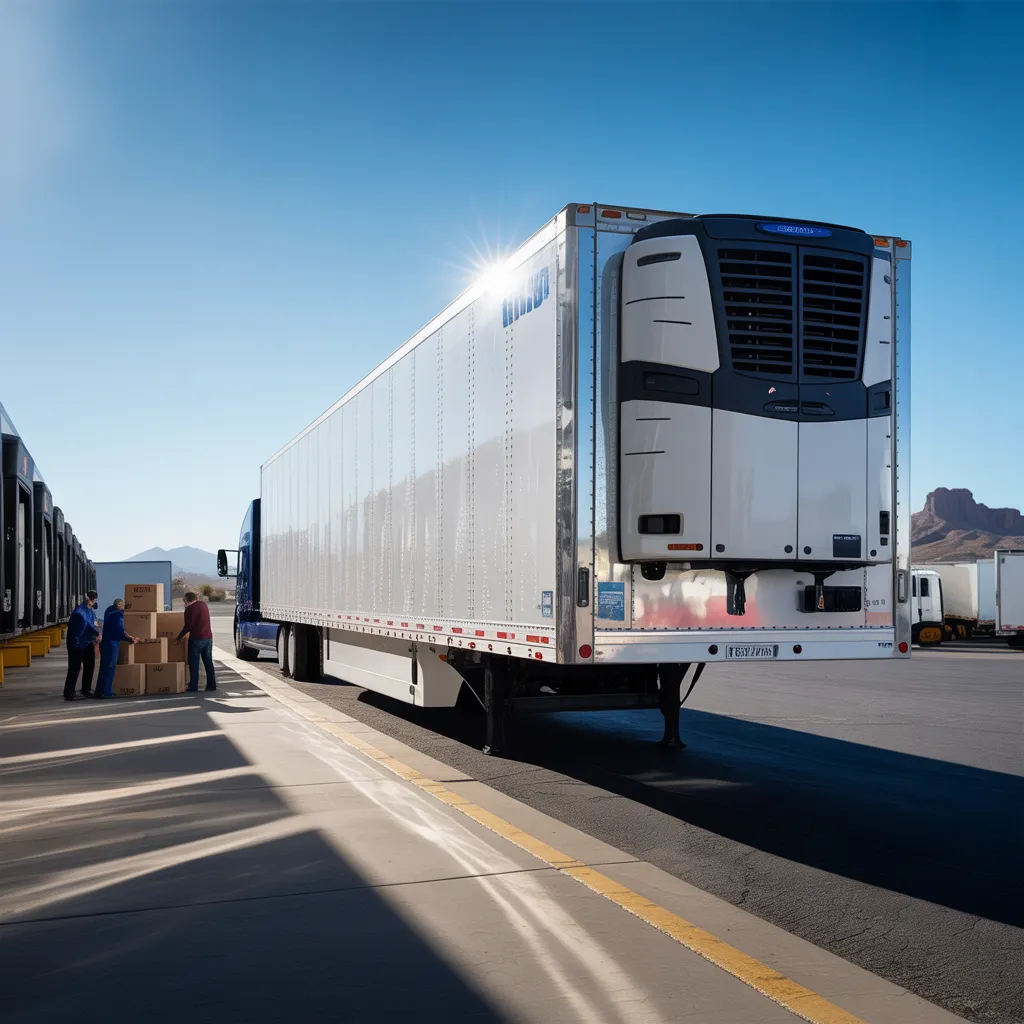
How Refrigerated Trailers Keep Food Fresh at Events
Refrigerated trailers play an indispensable role in stopping food from spoiling at events, guaranteeing that perishable goods stay fresh and safe to eat. These portable units create a controlled setting that sustains optimal temperatures, essential for preserving various food items, from meats to dairy products. By utilizing advanced insulation and reliable cooling systems, refrigerated trailers effectively combat the effects of heat and humidity, which can lead to bacterial growth and spoilage.

Moreover, the convenience of delivering these trailers right to event locations empowers caterers and organizers to control food storage efficiently. This flexibility lowers the chance of foodborne illnesses, preserving the health of participants. Additionally, the dimensions and storage capabilities of refrigerated trailers can handle a wide range of event requirements, making them versatile options for gatherings of all sizes. All things considered, the use of refrigerated trailers is a critical strategy for guaranteeing food safety and quality at events, enhancing the overall satisfaction for participants.
How to Select the Correct Size for Refrigerated Trailer Rentals
Choosing the right size for refrigerated trailer rentals requires thorough evaluation practical tips of storage requirements and how long the event will last. Understanding the volume of goods that need to be stored will assist in determining the required space. Moreover, considering the duration of trailer use can affect the size selection, guaranteeing optimal performance.
Evaluate Your Storage Requirements
How does one determine the ideal size for refrigerated trailer hire? To accurately assess the required storage capacity, it is crucial to assess the volume and type of items that will be kept. A detailed inventory list should be created, documenting the measurements and quantities of items. This facilitates a more precise understanding of space requirements. In addition, considering the trailer's layout is crucial; efficient organization can enhance space utilization. Elements including airflow and accessibility also influence the decision. It is beneficial to contact trailer rental companies, as they can provide guidance based on experience and available trailer sizes. Finally, selecting the ideal size ensures ideal storage conditions, reducing spoilage risks and preserving product integrity during events.
Consider Event Duration
Understanding how long an event will last is essential when choosing the correct size for trailer rentals, as it significantly influences storage requirements. For short events, such as several hours, a compact trailer may be adequate, while multi-day gatherings, spanning multiple days, demand more spacious units to accommodate larger volumes of stored items. Additionally, the type of items being stored, whether perishable food, liquid refreshments, or floral displays, also determines size requirements. It is necessary to calculate the total amount of products and the timeframe for which they must be kept refrigerated. A well-planned approach ensures that all items stay fresh and easy to access throughout the event. By accounting for the event's length, event planners can eliminate avoidable expenditures and logistical complications associated with inadequate cooling space.
Essential Features of Temperature-Controlled Trailers for Successful Events
When organizing an event, the right refrigerated trailer can make all the difference, guaranteeing that perishable goods remain in optimal condition. Important characteristics of these trailers include flexible temperature settings, which enable accurate control of a wide range of food items. A dependable refrigeration system is essential, as it provides consistent cooling throughout the event duration.
Furthermore, generous storage capacity is vital; trailers ought to supply adequate room to store the amount of food and beverages necessary. Accessibility is another key feature; wide doors and loading ramps facilitate easy loading and unloading, minimizing delays.
Insulation quality also has a major impact on preserving temperature consistency, especially in fluctuating outdoor conditions. Furthermore, built-in monitoring systems can alert event organizers to any temperature deviations, guaranteeing rapid action against emerging concerns. Together, these elements support a successful event by safeguarding food quality while improving the overall experience for guests.
How to Keep Food Fresh at Your Event
To ensure food remains fresh during an occasion, thorough planning and careful attention to detail are necessary. Initially, the choice of top-quality ingredients is essential, as fresher goods inherently remain viable for longer. Furthermore, keeping proper storage temperatures is essential; refrigerated trailers should be set to the correct temperature before loading food. It is important to organize items within the trailer, positioning perishable items at the bottom and ensuring adequate airflow.
Utilizing insulated containers can further assist in maintaining thermal consistency. Additionally, tracking food temperatures with temperature gauges throughout the event verifies freshness and safety.
Sanitary habits should be stressed, including regular handwashing and sanitizing surfaces to reduce the risk of food contamination. Additionally, serving food promptly is essential; food should be taken out of the refrigerator just before serving to reduce unnecessary exposure to ambient heat. By following these strategies, event organizers can effectively keep food fresh and appealing for guests.
Common Mistakes to Avoid When Renting a Refrigerated Trailer
What common pitfalls should be avoided when renting a refrigerated trailer? One significant mistake is failing to assess the trailer's size adequately. Opting for a trailer that does not match your capacity needs can cause inefficient space utilization and elevated costs. Furthermore, many renters fail to recognize the significance of verifying the refrigeration unit's proper operation. A malfunctioning unit can compromise food safety and quality. A frequent mistake is failing to confirm rental conditions, including pickup and drop-off schedules, which may lead to unforeseen charges. It is equally important for renters to be mindful of inadequate insurance policies, since securing proper coverage against potential damage is absolutely critical. Lastly, overlooking the trailer's placement and ease of access can lead to significant logistical complications during your event. Through careful awareness of these potential issues, individuals can make smarter decisions and confirm that their refrigerated trailer rental satisfies all of their needs efficiently.
Best Practices for Loading and Unloading Your Trailer
Proper loading and unloading techniques are essential for maximizing the efficiency and safety of a refrigerated trailer rental. To begin, evaluating the weight distribution is key; weightier products should be loaded at the bottom while lighter ones are placed on top to preserve stability during transit. Making use of pallets can simplify the loading and unloading process, while ensuring proper air circulation around products is essential for sustaining consistent temperatures.
When unloading, following a structured method is essential. Begin from the back, moving forward, to prevent crowding at the door. Make certain to utilize suitable personal protective equipment to maintain a safe environment. Additionally, checking the temperature inside the trailer before unloading is advisable to verify that the goods are maintained at appropriate temperature levels.
Lastly, scheduling enough time for both loading and unloading minimizes rushing and potential mistakes, encouraging a more systematic and streamlined process throughout. Implementing these best practices can substantially boost the performance of refrigerated trailer operations.
Questions Our Customers Often Ask
What Is the Typical Cost of Renting a Refrigerated Trailer?
The price range for renting a refrigerated trailer typically falls between $100 and $300 per day. Variables that impact the pricing include size, rental duration, and additional features or services provided by the rental company.
How Soon Before My Event Should I Book a Refrigerated Trailer?
You should reserve a refrigerated trailer a minimum of two to four weeks ahead of time. This period ensures the unit will be available, ensuring that specific requirements are met and alleviating unnecessary stress for event coordinators.
Do Refrigerated Trailers Come with Delivery Options?
Yes, a wide range of companies supply delivery services for refrigerated storage trailers. Clients can schedule for the storage unit to be delivered to their venue, providing convenience and timely access to adequate refrigeration for their purposes.
Is Renting a Refrigerated Trailer for Short-Term Events an Option?
Yes, individuals can hire refrigerated trailers for short-term events. Several rental companies deliver adaptable solutions, catering to various durations and sizes, ensuring that event organizers have the essential cooling solutions for their particular needs and requirements.
What Upkeep Is Needed Throughout the Rental Period?
Over the course of the rental period, regular maintenance includes verifying temperature configurations, ensuring adequate airflow, examining seals and gaskets, watching for potential leaks, and sanitizing the interior to avoid odor and contamination. These measures ensure optimal performance and food safety.